Brand Refresh vs. Full Rebrand: Knowing Which Path is Right for Your Business
- Lexi Marco
- January 26, 2026
- Branding
- brand refresh, branding, rebrand
- 0 Comments
At some point in every business’s lifespan, decision-makers are tasked with choosing between a brand refresh and a complete rebrand. But which is best? How do you know when it’s time to give your business a tasteful facelift or a completely new look? Read on for the answer.
Understanding Your Brand
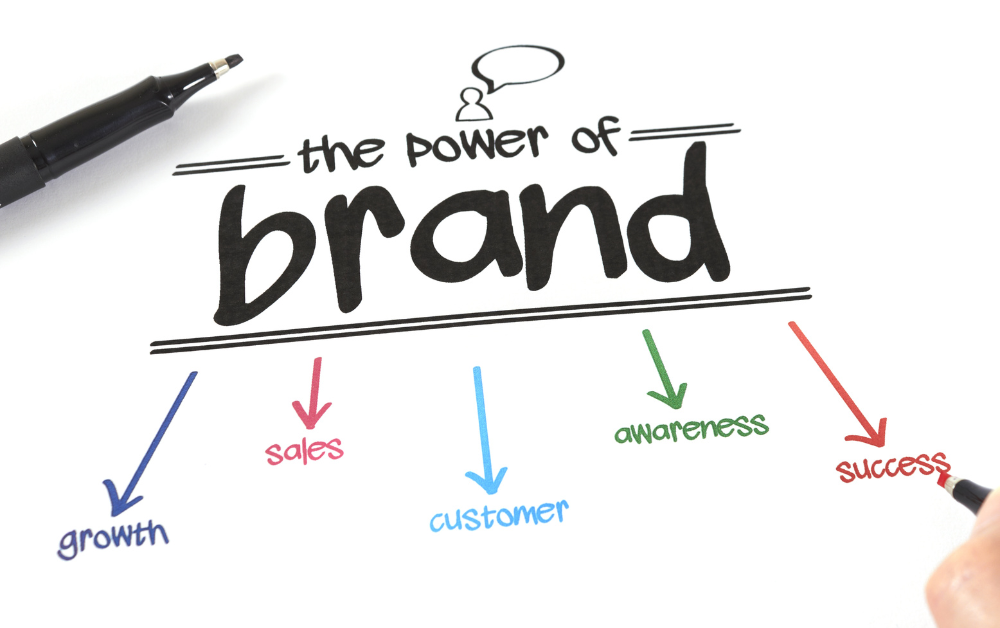
Your brand is how your employees and the outside world recognize, relate to and connect with your business. A brand isn’t just a logo or a name, but the overall impression people have of something.
At its core, a brand is:
-
What people think and feel when they hear your name
-
The promise you make to your audience
-
The personality and values you consistently show over time
Your brand can be considered like a person. The visual elements (like colors and fonts) are the clothes, the messaging and tone are how they speak, the quality is behavior and the brand’s reputation is what people say about them when they’re not in the room. (No one likes to be talked about poorly.) The company you create is the foundation for which the brand is recognized. A brand lives in the minds of its customers.
What is a brand refresh?
A brand refresh is an evolution of your current brand. It sharpens the edges, updates the look and modernizes the message. Brand refreshes are often less intimidating to business owners— you’re not re-inventing the wheel. Instead, you’re giving new life to an already well-established brand that may be fading behind its competition. A well-executed brand refresh gives your business room to grow without losing the trust you have already earned. It helps your brand stay relevant in the eyes of your audience while remaining true to the culture and values that define your business.
Common Reasons for a Brand Refresh
- Your business has evolved, but your brand has not: You have entered new markets or redefined your audience, but your brand still tells an earlier story. A brand refresh will help you close that gap without losing what is working.
- Your message no longer reflects your voice: If your tone feels too safe, too corporate or just no longer aligned with your mission, a refresh will allow you to change your tone of voice to align with your goals.
- Your brand feels outdated or visually inconsistent: Design trends change quickly, and an older look can make your business seem dated or stale. A refresh can bring life back to a fading brand, keeping your business modern and cohesive.
- You’re getting lost in a crowded market: You may have lost touch with your target audience. Updating visuals, messaging or positioning can help your brand feel more modern and relevant.
What Does a Brand Refresh Include?
- Refined brand strategy: This typically includes a sharper articulation of your audience, positioning and value proposition. The way that you frame your brand will become more intentional and focused.
- Updated messaging and voice: This might include an evolved tone that will refresh your brand’s narrative. It can also include a messaging framework that reflects your current mission and momentum.
- Visual identity enhancements: These updates can include refined logos, modernized typography and more use of photography. Your new updated visual identity will become more versatile, consistent and poised for growth.

What is a Rebrand?
A rebrand is a complete transformation of how your business is viewed both internally and externally. A rebrand will change the way people understand your company at every level. When your business takes a new direction, a rebrand will ensure your image and message evolve with it, rather than falling behind.
Unlike a brand refresh, which focuses on refining what already works, a rebrand goes deeper. This will challenge your core identity, including your purpose, market position and overall message. If you’ve been thinking about redefining your brand— how it looks, sounds and presents itself– a rebrand is the best course of action. When done strategically, rebranding can strengthen customer trust and loyalty while earning the attention of new potential audiences.
Common Reasons for a Rebrand
- Your business model has changed: If you have changed what you offer, how you deliver it, or who your customers are, your current brand may no longer tell the right story. A rebrand will help realign your image and messaging so they match your updated business direction.
- You have outgrown your original positioning: As you grow, your brand should grow with you. A rebrand will allow you to redefine your narrative and present yourself in a way that reflects your current goals and credibility.
- Your audience has changed or expanded: When your customer base shifts, your brand will need to adapt. Without that adjustment, your message can easily become unclear, or you may fail to connect with your audience.
- Your brand blends in with competitors: If your brand looks or feels similar to others in your industry, it may struggle to stand out. Rebranding allows you to differentiate yourself, clarify what makes you unique and reclaim visibility in a crowded market.
What Does a Rebrand Include?
- Repositioned brand strategy: A rebrand will help you redefine your positioning, audience and overall direction so that every part of your company from marketing to leadership will align with one cohesive vision.
- New brand story and verbal identity: This is the best time to reinvent your brand’s personality. A rebrand gives your business a new tone of voice, storytelling structure and messaging that reflects your updated goals and mission.
- Complete visual identity system: While it can be hard to part ways with the logo that started it all, a completely new one may be just what your business needs. New logos, color palettes, fonts, imagery, icons and layouts create a consistent and scalable look and feel for your brand.
- Renamed brand or product lines: If your current name is holding you back from growth, a new one can open new opportunities. Changing names is often part of the rebranding process, especially when your old name or language no longer represents where your brand is heading.
Should I Refresh or Rebrand? Here’s the Answer:
The truth is, there’s not really a right or wrong answer; there’s just the right answer for your business. Both a refresh and a rebrand change the way your brand appears, but the intent and impact are quite different. A refresh will refine while a rebrand will reinvent. One keeps your momentum aligned, the other will redefine your path entirely.
Both options can be costly, but are vastly worth the long-lasting impact your brand will have for years to come. If you’re teetering between a brand refresh or a complete rebrand, ask yourself the following questions:
- What are my long-term goals for the company? Are they the same as the company’s inception?
- How much has the industry changed? And how has my company changed along with it?
- What is my overall budget for marketing expenses?
Once you’ve asked yourself and your team those questions, you can make an educated, strategic decision based on the answers. No matter which route you take, the team at 898 Marketing can help take your brand to the next level through powerful creatives, messaging and tactics.
Related Posts







Recent Comments